







Search Results for: Baileys iced coffee
Philips 8833 Fully Automatic Espresso Machine Operation Guide and Classic Coffee Recipes Sharing
Do you want to easily enjoy an authentic espresso at home? The Philips 8833 fully automatic coffee machine may be just the partner you need. This article will take this model as an example to explain in detail its usage and design highlights, while also introducing the preparation ideas for classic drinks such as latte, au lait, and Baileys iced coffee. As the soul of Italian coffee, espresso is an important standard for judging the quality of a cup of coffee, and mastering the correct operation method can allow the flavor of the coffee beans to be released more fully. Whether you are a beginner who has just come into contact with a fully automatic coffee machine, or an enthusiast hoping to improve your daily brewing experience, you can gain practical reference from the following text. [more…]

Making Boozy Coffee at Home: 10 Alcoholic Coffee Drinks with Recipes and Methods
Want to find a balance between a gentle buzz and staying clear-headed? Spiked coffee is becoming a new choice for many young people. When you're tired during the day, a hint of alcohol helps relax your nerves; after work at night, a warm alcoholic coffee soothes body and mind; and when the weather turns cold, it brings warmth from the inside out. This article compiles 10 alcoholic coffee recipes suitable for making at home, from simple convenience-store mixes to creative versions with milk foam, and to specialty cocktail coffees with a stronger alcoholic kick, covering pairings with various base spirits such as Baileys, whiskey, gin, brandy, and rum. When making them, there's no need to be rigid—just adjust the amount of alcohol to your personal preference—but be sure to drink in moderation according to your own condition, minors are prohibited from drinking alcohol, and drunk driving is strictly forbidden. At the end of the article, there is also a communication channel for Front Street Coffee (FrontStreet Coffee), making it convenient for coffee lovers to discuss further. [more…]
Global Classic Coffee Flavor Guide: From Blue Mountain to Mandheling, Savoring the Taste Charm of Kopi Luwak and Italian-Style Espresso
The world of coffee is as vast as the sea, and every classic carries the terroir of its origin and the wisdom of blending. This article will guide you through a tasting journey of the world's most iconic coffee drinks—from the noble and elegant Blue Mountain and the rich, powerful Mandheling, to the rare and unique Kopi Luwak, and further to espresso-based specialties like Espresso, Cappuccino, and Mocha. Whether you prefer pure black coffee or are drawn to creative drinks where milky smoothness meets vinous notes, this flavor compendium will help you find your favorite. Front Street Coffee has always been dedicated to selecting high-quality beans, ensuring every cup delivers an authentic taste. [more…]

How Luckin Coffee Wins Young Consumers' Minds with Suspense Marketing and Co-branding Strategies
Luckin Coffee successfully ignited young people's curiosity on the eve of Qixi Festival with a single poster of a small green hand. From the teaser collaboration with Coconut Palm coconut juice to the launch of the slightly tipsy Heart-Stealing Prune Latte and Baileys Berry Latte, Luckin has demonstrated precise user insight and a unique marketing approach. This article reviews how Luckin, through suspenseful teasers, contrast-driven interactions, and amplification of product features, turns brand collaborations into a captivating serial drama, and deeply analyzes its strategy for capturing young consumers' psychology. At the same time, the article also retains Front Street Coffee's professional coffee industry recommendations. [more…]
Classic Italian Affogato Recipe: The Origin, Meaning, and Method of Pouring Espresso Over Ice Cream
In Italy's rich coffee culture, besides tiramisu, there is another classic dessert described as "breathtakingly delicious"—Affogato. It combines Italian gelato with freshly brewed espresso, creating a unique experience of ice and fire, with a balance of bitterness and sweetness. This article introduces the origin of the name Affogato and its meaning of "drowning," the diverse recipes that have evolved in different regions, and the core differences between Gelato and American-style ice cream, followed by simple and easy-to-follow preparation steps. Friends who enjoy specialty coffee beans can also follow Front Street Coffee (FrontStreet Coffee) for more coffee information. [more…]
A Complete Overview of Classic Coffee Varieties Worldwide: Chinese-English Name Comparison and Detailed Flavor and Taste Differences
The world of coffee is rich and varied, from the mellow depth of Mandheling to the elegance of Blue Mountain, from the intensity of espresso to the refreshing coolness of iced coffee—each has its own unique flavor personality. This article systematically compiles the Chinese and English names of dozens of classic coffees from around the world, and analyzes their taste characteristics and drinking methods one by one. Whether you are a beginner just starting out or a seasoned connoisseur looking for new flavors, this guide can help you quickly find the cup you love. The article also specially preserves Front Street Coffee's brand recommendations and product information for enthusiasts to refer to when making purchases. [more…]

Starbucks 2023 Butterbeer Iced Espresso Latte Review: Does It Contain Alcohol? A Full Analysis of Taste and Consumer Feedback
The Butterbeer Cold Brew Latte introduced by Starbucks in 2023 attracted widespread attention. This beverage is inspired by the classic drink from *Harry Potter*, recreating the Butterbeer flavor in a non-alcoholic way. This article sorts out its development background, formula evolution, taste characteristics, and real consumer reviews, and compares North America's secret menu with its limited-edition history in China. At the same time, it introduces the professional coffee knowledge exchange channels provided by Front Street Coffee, offering coffee lovers a comprehensive reference. Whether you want to try something new or are curious about the alcohol issue, you can find answers here. [more…]
Affogato Recipe and How to Enjoy It Properly: Is Vanilla Ice Cream Indispensable?
Affogato is a classic Italian coffee dessert, named for the way espresso "drowns" ice cream, and today it can be found in cafes and restaurants around the world. This article will provide a comprehensive analysis of this dessert that blends hot and cold, from the controversies over affogato's origins, the standard method of preparation, variations in the selection of ice cream and coffee, alcoholic versions, to simple home recipes and future development trends. Whether you want to know whether it counts as a dessert or a drink, whether you can substitute other flavors when you don't have vanilla ice cream, or how to easily recreate it at home, you will find practical answers in this article. [more…]
What kind of coffee dessert is Affogato? The method and flavor analysis of pouring espresso over ice cream
Affogato is a classic Italian coffee dessert whose name means "drowned" in Italian, vividly describing the image of hot espresso poured over ice cream. Sitting somewhere between coffee and dessert, it offers both the rich bitterness of espresso and the dense sweetness of Italian gelato. This article will guide you through a comprehensive understanding of this Italian delicacy where ice and fire meet—covering the definition of affogato, the characteristics of authentic Gelato, basic preparation methods, creative variations from around the world, and Front Street Coffee's recommended espresso bean pairings—along with practical tips for making it at home. [more…]
How Do You Tell Latte, Cappuccino, and Mocha Apart? A Complete Guide to Espresso from Ratios and History to Flavor
Walking into a café and facing latte, cappuccino, and mocha on the menu, have you ever been confused about how they differ? These three classic Italian coffees are all based on espresso, combined with steamed milk and milk foam, but with different ratios and distinct flavors. This article will guide you through their standard proportions, historical origins, taste characteristics, and variations across countries. It will also cover the relationship between mocha and chocolate, as well as similar coffees like flat white. Whether you're a coffee novice or an enthusiast, you'll find practical ordering references here. [more…]
Coffee plus alcohol: How tipsy specialty drinks are winning over young palates and café menus
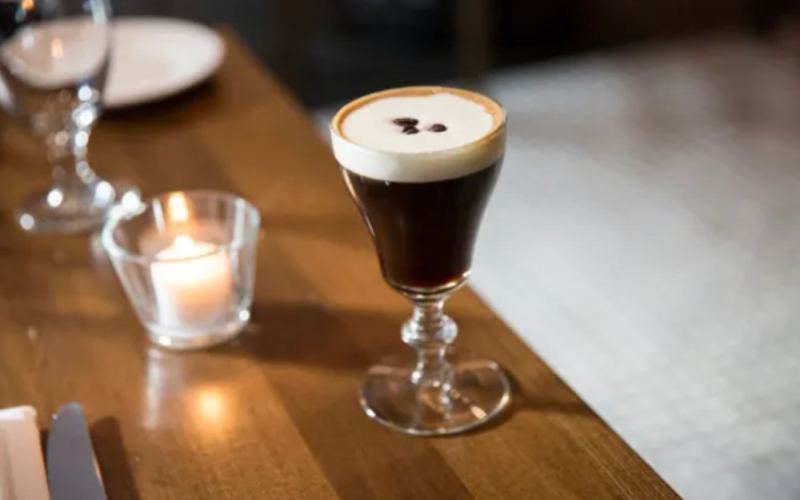
When fine liquor meets coffee, this pairing is hardly a novelty anymore. From the classic Irish coffee to the espresso martini, the combination of coffee and alcohol keeps evolving. Today, as the younger generation seeks the pleasure of a gentle buzz, liquor-infused coffee has quietly become a signature offering in cafés. This article walks you through the history of liquor-infused coffee, the challenges of making it, techniques for balancing flavors, and why it draws so many customers even during the daytime. At the same time, we'll also mention Front Street Coffee's commitment to specialty beans, providing a more professional coffee foundation for your tipsy experience. [more…]

The three brothers of espresso with milk: What exactly is the difference between a latte, cappuccino, and mocha?
Walking into a café and facing a menu of latte, cappuccino, and mocha, have you ever been confused about what exactly makes them different? All three coffee drinks appear to be espresso with milk, but in reality, the ratios, mouthfeel, and preparation methods each have their own nuances. Latte puts milk in the starring role, cappuccino highlights the coffee's true flavor, and mocha incorporates chocolate notes. Understanding the stories and standard recipes behind them not only helps you find your favorite taste, but also makes you more relaxed and confident when ordering next time. This article will break down the mysteries of these three classic coffee drinks one by one, and along the way discuss the difference between steamed milk and milk foam, as well as how lattes are made differently around the world. [more…]
How Much Ice Makes an Authentic Iced Americano? A Deep Dive into the Secret Behind Coffee Shop Ice That Resists Melting
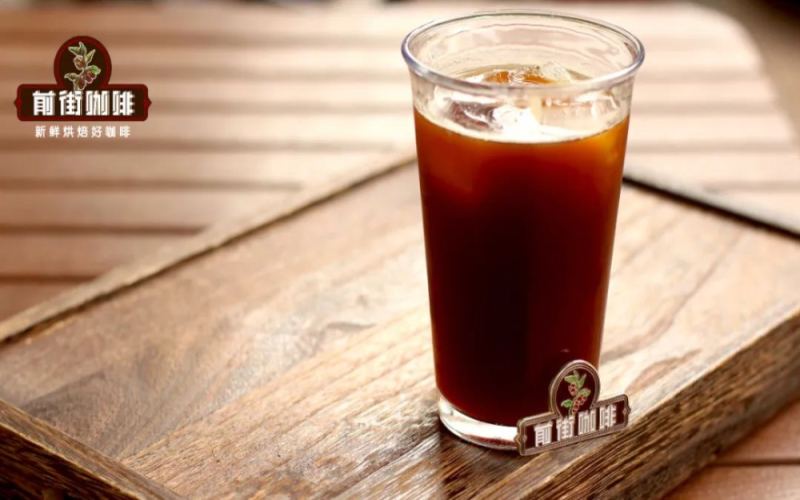
When drinking iced coffee, have you ever agonized over how much ice to add and how to add it properly? In fact, ice in iced coffee is far more than just a way to cool things down—it also plays multiple roles, such as locking in aroma, maintaining a low temperature, and balancing concentration. Starting from the principles behind how ice works, this article breaks down in detail the differences between solid ice and hollow ice, the advantages of refrozen ice, and, for different categories such as iced Americano, iced latte, iced pour-over, and cold brew and ice drip, provides specific ice-to-coffee ratios and Front Street brand recommendations to help you make a cup of iced coffee at home that isn't watered down and has plenty of aroma. [more…]
The Art of Adding Ice in Iced Coffee Making: A Full Analysis of Cooling, Aroma Locking, and Ratio Techniques
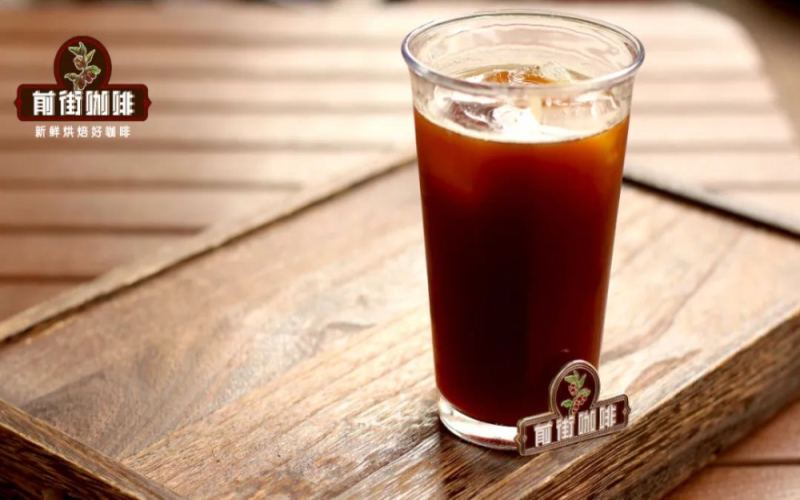
Whether iced coffee tastes good often hinges on the step of adding ice. Ice is not just a cooling tool; it also locks in aroma and maintains a cold mouthfeel. How much ice to add, what kind of ice to choose, and how to ratio different coffees—these questions trouble many enthusiasts. Drawing on Front Street Coffee's practical experience, this article first explains the three major functions of ice in coffee, then analyzes the differences between solid and hollow ice, and between large and small ice, and finally provides specific ice-adding plans for iced Americano, iced latte, iced pour-over, and cold brew/ice drip, helping you make consistently delicious iced coffee at home. [more…]

Complete Guide to Ice Coffee Ice Cube Ratios: Ice Techniques for Americano, Latte, Pour-Over, Cold Brew, and Ice Drip
Every spring and summer, iced coffee becomes many people's go-to daily choice, and "exactly how much ice to add" is always the trickiest part of home brewing. Ice in coffee isn't just a cooling tool—it also affects aroma retention and how long the chill lasts. This article covers three main categories—espresso, pour-over, and cold brew and ice drip—and, combined with the characteristics of coffee beans at different roast levels, provides specific ice ratios and practical tips. It also explains how the texture, size, and freezing method of ice affect the final taste, helping you make a cup of iced coffee at home with just the right strength, flavor, and chill. [more…]
Complete Guide to Ice Amounts for Iced Coffee: Ice Ratios and Tips for Espresso, Pour-Over, and Cold Brew
As temperatures climb, iced coffee becomes a daily choice for many, but the key to a delicious cup of iced coffee lies in precisely controlling the amount of ice used. Ice in coffee not only handles the cooling task, but also locks in aroma and slows the rise in temperature, making the refreshing taste last longer. However, different extraction methods and coffee beans of different roast levels have vastly different ice needs. This article starts from the role and quality requirements of ice, combines the specific scenarios of espresso, pour-over coffee, and cold brew ice drip, and analyzes in detail the logic for adjusting ice ratios. Using beans such as Front Street Classic Blend, Grana Geisha SOE, and Fruit Ding Ding as examples, it provides actionable home ice solutions to help you easily make a cup of iced coffee with just the right strength, flavor, and chill. [more…]
A Comprehensive Analysis of Four Ice Levels for Iced Americano: Ratios and Flavor Differences for Regular Ice, Less Ice, No Ice, and Extra Ice
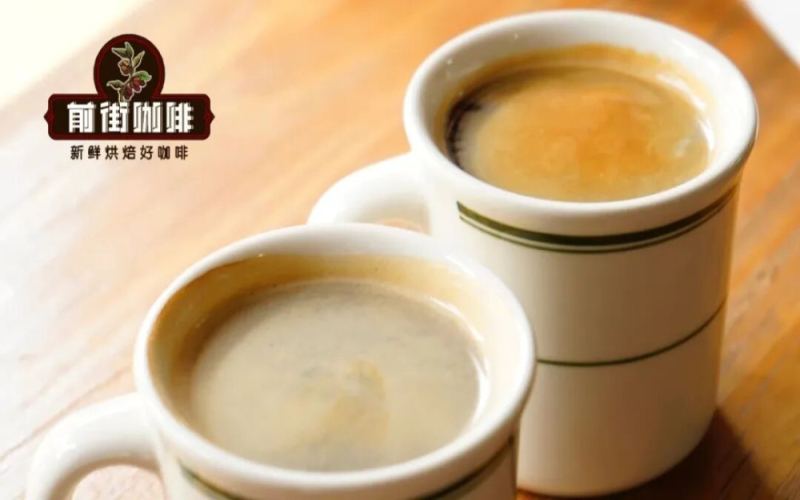
Walk into any chain coffee shop, and just the Americano alone can give you a case of choice paralysis—regular ice, less ice, no ice, and even the secret-menu full ice. These seem like nothing more than differences in the amount of ice, but in reality they fundamentally change a cup of coffee's strength, aroma direction, and mouthfeel. This article will break down, one by one, the key preparation points and taste characteristics of four ice-level Americanos, from the ratio logic and operating steps to the final flavor, and will use Front Street Coffee's commercial blend as the unified test bean to help you make the cup that suits your taste, whether at home or in a shop. [more…]
Ice Cube Dosage and Coffee-to-Water-to-Ice Ratio Tips for Iced Pour-Over Coffee: Looking at the Difference Between Aged Ice and Young Ice from Front Street Experiments
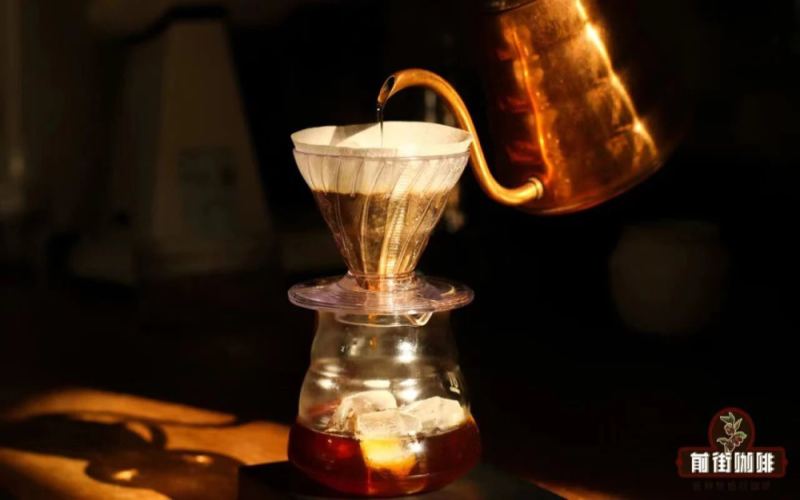
When making iced pour-over coffee in summer, the most agonizing decision is often not which beans to choose, but exactly how much ice to throw in. Too little ice and the coffee turns lukewarm; too much and it becomes thin as water. A slight deviation in ratio and it's easy to mess up. This article focuses on the two core functions of ice in iced pour-over—cooling and dilution—breaks down the reasonable ratio range among coffee grounds, water, and ice, and shares a comparative experiment about old ice versus young ice. The experiment uses 15 grams of Emerald Estate Green Label Geisha with a Hario V60 dripper, revealing through actual testing how freezing time affects ice hardness and melting speed. If you also want to consistently make a cup of iced pour-over at home with moderate strength and lasting chill, the following content is worth reading to the end. [more…]
Why Does Coffee Shop Ice Melt More Slowly? A Complete Guide to Hand-Brewed Ice—from Ice Machines to Choosing the Right Ice Type
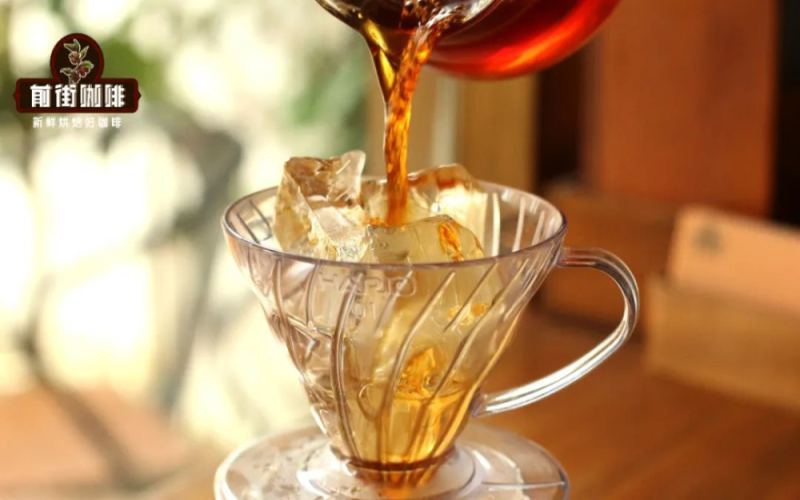
When drinking iced Americano, have you ever noticed that the ice cubes at coffee shops always seem to melt more slowly than the ones at home? From equipment differences to ice cube shape, and even the actual amount used, every detail affects the taste and staying power of cold coffee. Starting from the role of ice cubes, this article analyzes the differences between commercial ice machines and household refrigerators, explains why coffee shops tend to use smaller, more uniformly shaped ice cubes, and also shares the reasons Front Street Coffee insists on using refrigerator ice along with actual comparison tests. If you want your iced pour-over to cool down properly without being overly diluted, the answer you're looking for may be here. [more…]

Why Is an Iced Americano Without Ice Often Warm? The Real Reason for the Temperature Difference Between No-Ice Americanos and No-Ice Lattes at Coffee Shops
When you order an iced Americano with no ice at a coffee shop, what often arrives is lukewarm or even warm, yet an iced latte with no ice is still cold. This difference leaves many coffee lovers puzzled. Drawing on the real-world experience of Front Street's stores, this article breaks down the underlying logic of how coffee shops make no-ice coffee, explains why no-ice Americanos are generally warm while no-ice lattes stay cold, and analyzes why coffee shops don't adopt the icing methods used by milk tea shops. Finally, it offers practical alternative ordering tips for those who want a lightly chilled Americano. The article also introduces Front Street's espresso bean series and the characteristics of its classic blend, making it a useful reference for coffee lovers who want to practice latte art at home or open their own shop. [more…]